When will AR/MR glasses reach 1 billion daily users
-
Tadasuke
When will AR/MR glasses reach 1 billion daily users
I predict 1 billion daily AR/MR glasses users by ~2040. This kind of technology doesn't improve super quickly, and it is still at an early stage. 2020s will be the decade of smartphones, just like the 2010s. 2030s will be the decade when this type of device starts making sense for a lot of people and not just a handful of enthusiasts. However, I am seriously worried about privacy. Nearly everyone, nearly everywhere having multiple cameras on their heads could lead to various problems in the future.

-
FuturismFan
- Posts: 38
- Joined: Mon Feb 27, 2023 3:42 am
Re: When will AR/MR glasses reach 1 billion daily users
Even if a device like the Apple Vision Pro was lightweight, comfortable, and worked perfectly, I don’t see its utility over a standard smartphone or computer. In fact, it likely is less easy to use, due to the lack of tactile feedback like what you would get from a touchscreen or keyboard. I am a VR/AR skeptic, I don’t see VR taking off until full-immersion virtual reality is possible (and full-immersion virtual reality probably wouldn't be glasses-based, it would probably hook directly into your brain).
Re: When will AR/MR glasses reach 1 billion daily users
On the flipside, I'm a FIVR skeptic. It's really only useful for gaming, it doesn't help at all in the real world. AR/MR is not VR. And most people don't want to live in the matrix.FuturismFan wrote: ↑Mon Jan 06, 2025 7:30 am Even if a device like the Apple Vision Pro was lightweight, comfortable, and worked perfectly, I don’t see its utility over a standard smartphone or computer. In fact, it likely is less easy to use, due to the lack of tactile feedback like what you would get from a touchscreen or keyboard. I am a VR/AR skeptic, I don’t see VR taking off until full-immersion virtual reality is possible (and full-immersion virtual reality probably wouldn't be glasses-based, it would probably hook directly into your brain).
AR/MR holds actual value to improve daily living and tasks. That said, I don't believe it'll truly take off until we have functional and practical consumer BCIs to control them. Oh, and obviously better batteries. And both of those are much, much easier nuts to crack than FIVR.
-
Tadasuke
Re: When will AR/MR glasses reach 1 billion daily users
imo, in January 2035 there likely will be 12-14x better performance per watt and rechargeable batteries might hold 2.2-2.4x larger charge in the same mass and volume as in January 2025, AI will be vastly better and more robust
this might be sufficient for quite a lot of people, not 1 billion, but perhaps 300-400 million
this might be sufficient for quite a lot of people, not 1 billion, but perhaps 300-400 million
-
FuturismFan
- Posts: 38
- Joined: Mon Feb 27, 2023 3:42 am
Re: When will AR/MR glasses reach 1 billion daily users
I don’t really see the benefit of AR/MR over traditional screens. If you need a screen on-the-go, a smartphone or a smartwatch does the job; I don’t see how AR/MR adds additional utility (except maybe in specific situations where you can’t use your hands, like while performing surgery). I believe that smartwatches are the “perfect” wearable, things like smart glasses or smart clothes don’t do anything that smartwatches can’t (screen + health monitoring).Vakanai wrote: ↑Mon Jan 06, 2025 9:58 pmOn the flipside, I'm a FIVR skeptic. It's really only useful for gaming, it doesn't help at all in the real world. AR/MR is not VR. And most people don't want to live in the matrix.FuturismFan wrote: ↑Mon Jan 06, 2025 7:30 am Even if a device like the Apple Vision Pro was lightweight, comfortable, and worked perfectly, I don’t see its utility over a standard smartphone or computer. In fact, it likely is less easy to use, due to the lack of tactile feedback like what you would get from a touchscreen or keyboard. I am a VR/AR skeptic, I don’t see VR taking off until full-immersion virtual reality is possible (and full-immersion virtual reality probably wouldn't be glasses-based, it would probably hook directly into your brain).
AR/MR holds actual value to improve daily living and tasks. That said, I don't believe it'll truly take off until we have functional and practical consumer BCIs to control them. Oh, and obviously better batteries. And both of those are much, much easier nuts to crack than FIVR.
Re: When will AR/MR glasses reach 1 billion daily users
You have to look down at a screen for a phone of a watch, which limits some useful functionality. For example, I am horrible at remembering people's names - I'll recognize them, I'll know them, but I just can't remember what to call them and it's awkward. Looking down at a phone obviously won't help with that. Add a bit of memory to a phone so it jots down the names of people you know but not so well, such as classmates, coworkers, etc, and show their name briefly when they come into view (studies show that just a less than a second blip is long enough) and that's no problem. Phone's are used to translate words in real time now, but stopping to look at your phone for such a conversation is still kind of a weird and annoying interaction for "face to face" interactions - imagine seeing subtitles in your vision as the person talks instead. Or directions while walking around an unfamiliar city, looking at your phone and walking isn't the greatest experience on a possibly busy sidewalk with people and obstacles. With glasses you see the green arrows on where to go and remain aware of where things around you are.FuturismFan wrote: ↑Tue Jan 07, 2025 4:21 pmI don’t really see the benefit of AR/MR over traditional screens. If you need a screen on-the-go, a smartphone or a smartwatch does the job; I don’t see how AR/MR adds additional utility (except maybe in specific situations where you can’t use your hands, like while performing surgery). I believe that smartwatches are the “perfect” wearable, things like smart glasses or smart clothes don’t do anything that smartwatches can’t (screen + health monitoring).Vakanai wrote: ↑Mon Jan 06, 2025 9:58 pmOn the flipside, I'm a FIVR skeptic. It's really only useful for gaming, it doesn't help at all in the real world. AR/MR is not VR. And most people don't want to live in the matrix.FuturismFan wrote: ↑Mon Jan 06, 2025 7:30 am Even if a device like the Apple Vision Pro was lightweight, comfortable, and worked perfectly, I don’t see its utility over a standard smartphone or computer. In fact, it likely is less easy to use, due to the lack of tactile feedback like what you would get from a touchscreen or keyboard. I am a VR/AR skeptic, I don’t see VR taking off until full-immersion virtual reality is possible (and full-immersion virtual reality probably wouldn't be glasses-based, it would probably hook directly into your brain).
AR/MR holds actual value to improve daily living and tasks. That said, I don't believe it'll truly take off until we have functional and practical consumer BCIs to control them. Oh, and obviously better batteries. And both of those are much, much easier nuts to crack than FIVR.
People also drop their phones in toilets, forget their phones in random places, and phones make excellent targets for thieves. While not impossible with glasses, it's certainly a less common problem. In my family we've lost a few phones and had to call them and backtrack to see where we misplaced them or where they fell out of our pockets. In well over 20 years I never lost my glasses outside of a couple catastrophic car wrecks.
Also, I hate watches, smart or not I don't care to wear them. Makes my wrist feel all weird and sweaty.
Keep in mind, this is just some of what's off the top of my head and not really thinking too hard into it. If I research the arguments and possibilities the people working on this technology are making this post could be much longer I imagine.
Meanwhile FIVR has more limited uses outside of the whole gaming/SAO/Matrix appeal. I mean it does have other uses, but again fewer and more isolationist. FIVR is about disconnecting from the world, AR/MR is about remaining in the world.
-
Tadasuke
Re: When will AR/MR glasses reach 1 billion daily users
I consider large screens, providing a wide field of view, and high PPI as truly moving forward. Smartphones are basically toys. I'm starting to think if my 32" 3840x2160 monitor isn't too small. I would prefer 37" 5760×2880 one. I use two monitors, by the way. One horizontal and one vertical (good for PDFs, docs, web articles and comics).
For example Ray Kurzweil was predicting smartphones and tablets as very short lived, very temporary devices, which would be used between the year 2001 and 2013 in his very optimistic timeline. After 2013 literally everyone would switch to AR/MR/VR glasses and contact lenses, or even implants.
Some examples of what I mean by a decent 2020s monitor, which is vastly superior to smartphone's screen:

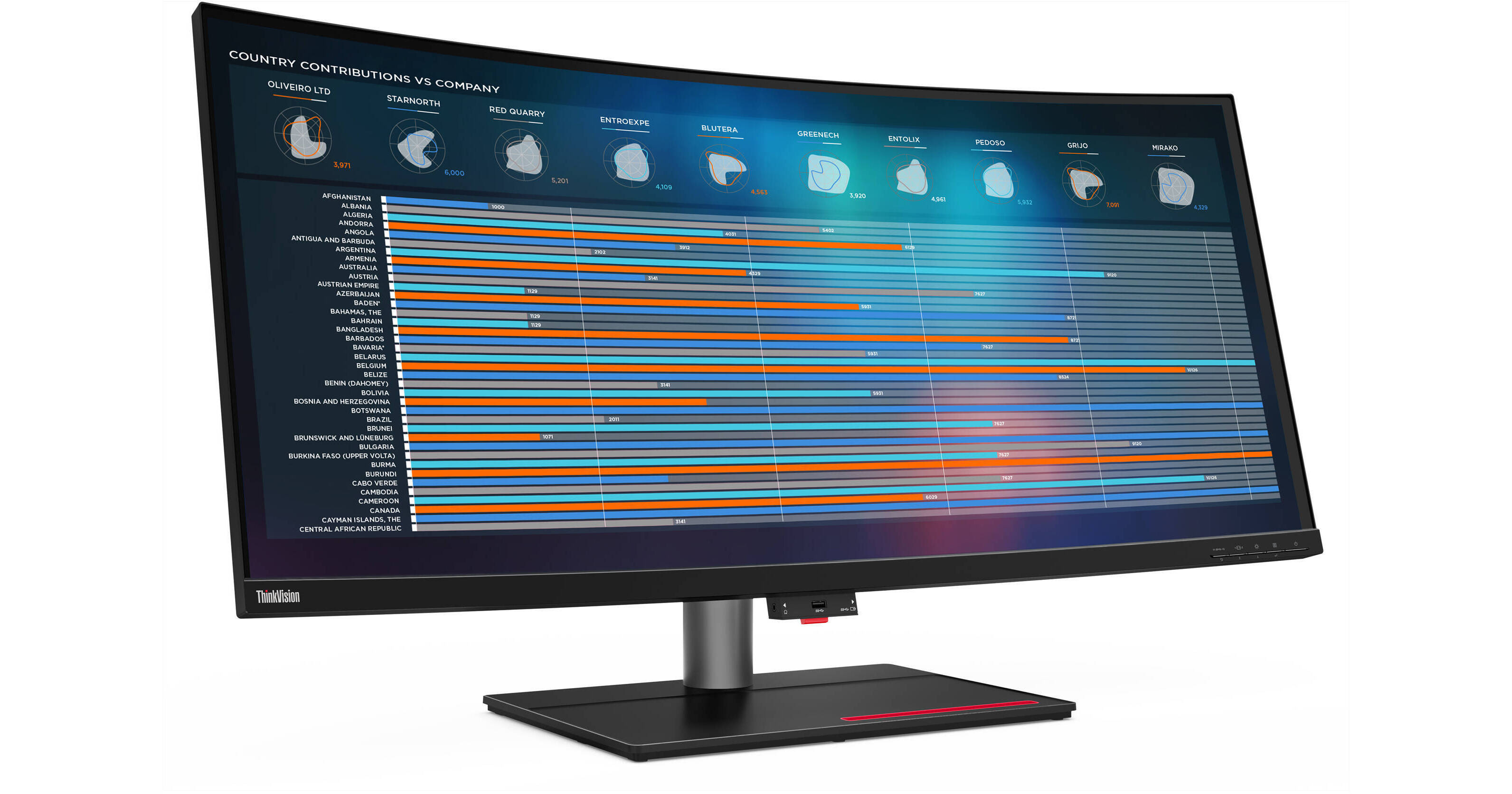
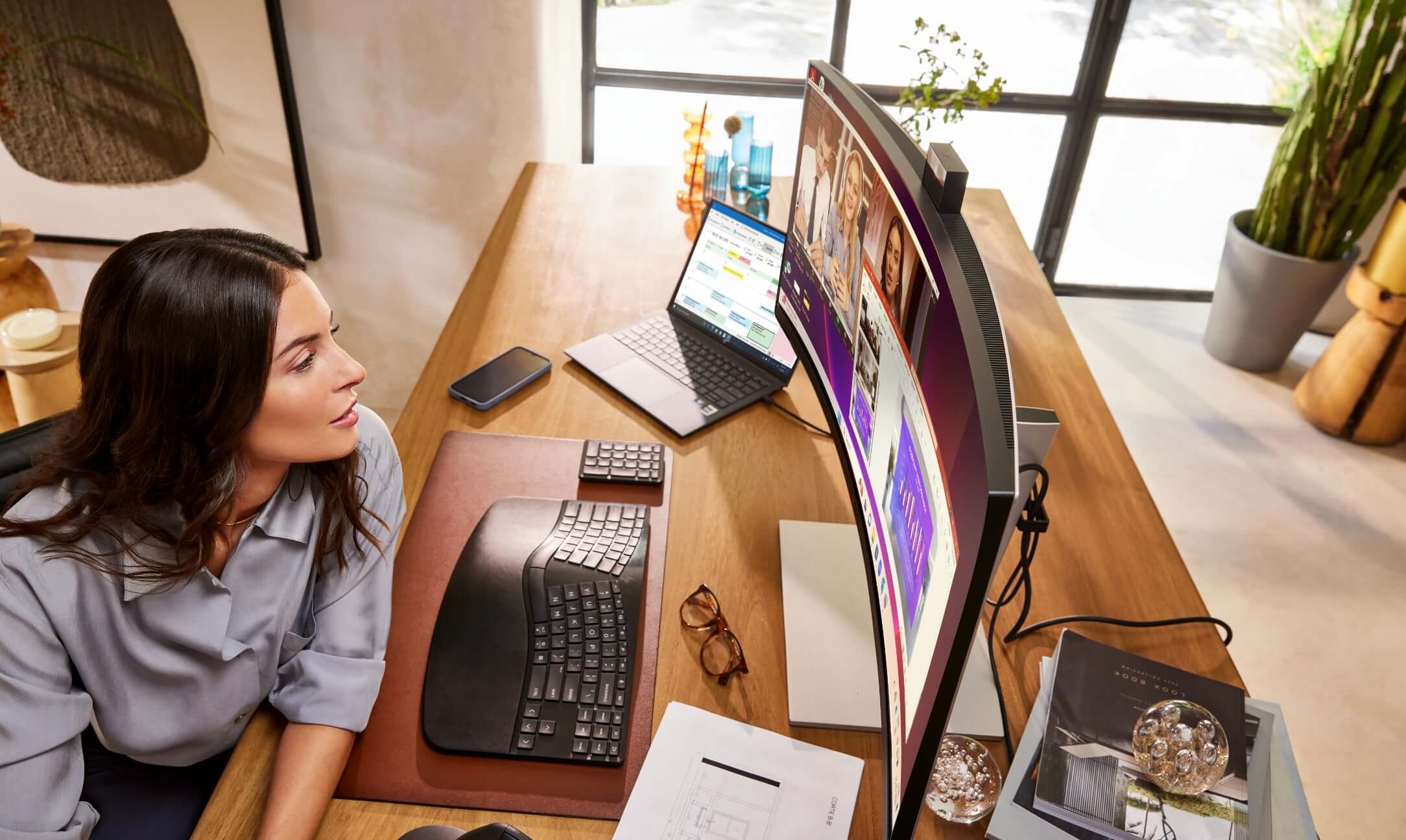

Computerised smartglasses could be an ultrawide very high PPI monitor worn on your head, that you turn on when needed. An intelligent adaptable assistant with great memory would help you whenever you want or need that help. BCIs would be extremely helpful to make it happen privately, seamlessly and quickly.
Anyhow, I'm not buying into that whole smartphone thing that much. I prefer large horizontal screens instead of small vertical ones.
For example Ray Kurzweil was predicting smartphones and tablets as very short lived, very temporary devices, which would be used between the year 2001 and 2013 in his very optimistic timeline. After 2013 literally everyone would switch to AR/MR/VR glasses and contact lenses, or even implants.
Some examples of what I mean by a decent 2020s monitor, which is vastly superior to smartphone's screen:
Computerised smartglasses could be an ultrawide very high PPI monitor worn on your head, that you turn on when needed. An intelligent adaptable assistant with great memory would help you whenever you want or need that help. BCIs would be extremely helpful to make it happen privately, seamlessly and quickly.
Anyhow, I'm not buying into that whole smartphone thing that much. I prefer large horizontal screens instead of small vertical ones.