It's trendy to see the future either as 99.9-100% perfect or the worst possible. It's quite often portrayed as either 1 or 0. Binary thinking. Either 100% white or 100% black. No shades of gray. This isn't motivating or helpful at all in my opinion.
If the future is 100% perfect utopia with everything you wish for and you don't need to do anything to get to it, then you just sit idly, waiting for it to happen. If the future is 100% apocalypse or dystopia, then you have no incentive to do anything, because things are going to hell anyway and you alone aren't going to change that.
It's religious thinking. Either salvation or perdition.
Compared to the 17th century, we live longer, faster, richer, more comfortable, more varied, more enlightened, more fun lives. But it's not utopia. Why do people expect the 25th century to be 1 or 0?
We might for example experience four hundred years of 1% yearly global population growth, 3% total GDP growth and 13% computing/price growth. Therefore, in the year 2423, this would mean 428 billion people, 136 000x larger total product of human-machine civilization and 1.7*10^21 more computing for a constant price adjusted for inflation. This wouldn't be Singularity, it would just be gradual (and exponential) growth over centuries accumulating to huge changes over time. I find that more likely. And this doesn't go against reversing aging. I still think aging is going to be solved this century.
The Singularity - Official Thread
Re: Singularity vs reality
Strong disagree - just because yet another fallible human failed to predict one aspect of the future on time doesn't negate the basic concept of singularity - that at some point technology will reach a point where we can't predict what's going to happen next because of how fast it advances. Arguably we're almost in a mini-singularity already that's just solely focused on AI. Who in 2016 really thought we'd have the AI advancements of the last couple years? Not me.Tadasuke wrote: ↑Thu Oct 26, 2023 1:53 pm Ray Kurzweil's idea and prediction for a 2023 $1000 laptop : 20 petaflops of FP32 (3D carbon nanotube lattices processors), 10 TB of RAM (40 TB/s), 1 PB of SSD
real 2013 $1000 laptop : 1 teraflops, 16 GB of RAM (30 GB/s), 1 TB of HDD, 1920x1080 60Hz
real 2023 $1000 laptop : 10 teraflops, 16 GB of RAM (90 GB/s), 1 TB of SSD, 1920x1080 144Hz
Therefore, facts show that Technological Singularity is just fiction. A made-up idea. Good for books or movies. Not for real life.
For real life, I advocate and promote thinking, talking and writing about protopia, instead of dystopia or utopia (which is very common among singularitarians).
-
Powers

- Posts: 1183
- Joined: Fri Apr 07, 2023 7:32 pm
- Location: a.k.a Lurking, Member, Lorem Ipsum, ..., --- and ººº.
Re: Singularity vs reality
No offense but I thought you were the same user lol. Must be the avatar, same with funkervogt and wjfox.Vakanai wrote: ↑Fri Oct 27, 2023 12:39 pmStrong disagree - just because yet another fallible human failed to predict one aspect of the future on time doesn't negate the basic concept of singularity - that at some point technology will reach a point where we can't predict what's going to happen next because of how fast it advances. Arguably we're almost in a mini-singularity already that's just solely focused on AI. Who in 2016 really thought we'd have the AI advancements of the last couple years? Not me.Tadasuke wrote: ↑Thu Oct 26, 2023 1:53 pm Ray Kurzweil's idea and prediction for a 2023 $1000 laptop : 20 petaflops of FP32 (3D carbon nanotube lattices processors), 10 TB of RAM (40 TB/s), 1 PB of SSD
real 2013 $1000 laptop : 1 teraflops, 16 GB of RAM (30 GB/s), 1 TB of HDD, 1920x1080 60Hz
real 2023 $1000 laptop : 10 teraflops, 16 GB of RAM (90 GB/s), 1 TB of SSD, 1920x1080 144Hz
Therefore, facts show that Technological Singularity is just fiction. A made-up idea. Good for books or movies. Not for real life.
For real life, I advocate and promote thinking, talking and writing about protopia, instead of dystopia or utopia (which is very common among singularitarians).
-
Tadasuke
Re: The Singularity - Official Thread
In 2016, I thought that in 2023, two billion people would go around all-day everyday, wearing AR glasses or AR contact lenses or brain implants, each with approximately the power of the current Nvidia DGX H100 workstation. In reality, we just have slightly better smartphones, slightly better laptops and slightly better AI.
I am currently 99% convinced, that Technological Singularity won't happen, it's just a mistaken idea in my opinion, like many other mistaken ideas of the past (i.e. all the "end of the world" predictions). Exponential growth ≠ Singularity.
Acceleration of computing growth and of GDP growth has diminished in the last 15 years. Supercomputers, servers, tower PCs, laptops, smartphones, single board computers, gaming consoles ← wherever you look, specs/price and performance/energy consumption are rising at a lower acceleration than in the past. For example, instead of 5.5% yearly GDP growth we see 3%, instead of 60% specs/price computer improvement we see 15-20%, instead of 40% performance/energy consumption advancement we see 15-20% every year. And AI is mostly very dumb, I tried various AIs this year. It's still a positive improvement of course, for example if you compare Zen 2 to Zen 4 or Zen 5. Or if you compare RDNA 1 to RDNA 3. Or CDNA 1 to CDNA 3. But you know what I mean.
I am currently 99% convinced, that Technological Singularity won't happen, it's just a mistaken idea in my opinion, like many other mistaken ideas of the past (i.e. all the "end of the world" predictions). Exponential growth ≠ Singularity.
Acceleration of computing growth and of GDP growth has diminished in the last 15 years. Supercomputers, servers, tower PCs, laptops, smartphones, single board computers, gaming consoles ← wherever you look, specs/price and performance/energy consumption are rising at a lower acceleration than in the past. For example, instead of 5.5% yearly GDP growth we see 3%, instead of 60% specs/price computer improvement we see 15-20%, instead of 40% performance/energy consumption advancement we see 15-20% every year. And AI is mostly very dumb, I tried various AIs this year. It's still a positive improvement of course, for example if you compare Zen 2 to Zen 4 or Zen 5. Or if you compare RDNA 1 to RDNA 3. Or CDNA 1 to CDNA 3. But you know what I mean.

Re: The Singularity - Official Thread
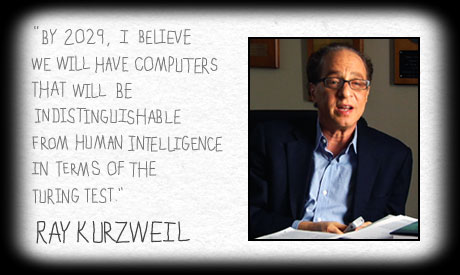
I wouldn't call GPT-4 "slightly" better. It's pretty near passing the Turing Test.Tadasuke wrote: ↑Sun Oct 29, 2023 7:29 am In 2016, I thought that in 2023, two billion people would go around all-day everyday, wearing AR glasses or AR contact lenses or brain implants, each with approximately the power of the current Nvidia DGX H100 workstation. In reality, we just have slightly better smartphones, slightly better laptops and slightly better AI.
And in some ways, phones are much better now. Camera quality, data transfer speeds, memory, etc. all improved exponentially. Then there's the integration of biometrics, sensors for health tracking, etc. as well as improved batteries, wireless charging, durability, water resistance, and so on.
I don't remember anyone predicting "billions with AR or brain implants" by 2023.

Re: The Singularity - Official Thread
I remember most people talking about AR being in its infancy around now which it is and not really taking off taking off until the late 2020s at the earliest. I think it's expected to be as ubiquitous as smartphones more in the 2040s-2050s.
I have noticed the slowdown in specification upgrades for desktop and laptop computers though. OEMs genuinely are selling computers that are similarly outfitted to how they were 10 years ago minus some CPU improvements.
I have noticed the slowdown in specification upgrades for desktop and laptop computers though. OEMs genuinely are selling computers that are similarly outfitted to how they were 10 years ago minus some CPU improvements.
-
funkervogt

- Posts: 1370
- Joined: Mon May 17, 2021 3:03 pm
Re: The Singularity - Official Thread
In 2016, very few people would have thought AI would have made the advances it has by now, and the fact that they're making creative jobs obsolete before mundane jobs like flipping burgers is a bolt out of the blue.wjfox wrote: ↑Sun Oct 29, 2023 1:22 pmI wouldn't call GPT-4 "slightly" better. It's pretty near passing the Turing Test.Tadasuke wrote: ↑Sun Oct 29, 2023 7:29 am In 2016, I thought that in 2023, two billion people would go around all-day everyday, wearing AR glasses or AR contact lenses or brain implants, each with approximately the power of the current Nvidia DGX H100 workstation. In reality, we just have slightly better smartphones, slightly better laptops and slightly better AI.
And in some ways, phones are much better now. Camera quality, data transfer speeds, memory, etc. all improved exponentially. Then there's the integration of biometrics, sensors for health tracking, etc. as well as improved batteries, wireless charging, durability, water resistance, and so on.
I don't remember anyone predicting "billions with AR or brain implants" by 2023.
I actually think we're better off having these kinds of improvements in AI by 2023 instead of having AR/VR be widely used.
-
Cyber_Rebel

- Posts: 564
- Joined: Sat Aug 14, 2021 10:59 pm
- Location: New Dystopios
Re: The Singularity - Official Thread
VR & AR take off (truly) the moment they become fully integrated into AI. It will be way too appealing for most people to hold conversations with digitized celebrities, historical figures, influencers, and of course, waifus/husbandos. I honestly don't think the lack for physical sensation will matter much initially if VR avatars are convincing enough to fool the brain.
What's coming out of Meta integrated with GPT-5 and Apple Vision Pro is all you need.
What's coming out of Meta integrated with GPT-5 and Apple Vision Pro is all you need.
Re: The Singularity - Official Thread
Eh, I think it'll go a long way for some, but I still think weight/comfort/form factor and being both as good as PCVR while still being mobile/unthethered with 8+ hours battery life per charge (or at least 4 hours) is needed. People are damn picky, and as cool as an AI Einstein or Scarlett Johansson to talk to will be, ultimately people will still view it as gimmicky once they get used to it. Humans are very annoyance-centered, no matter how good things are otherwise we'll always focus more on the negatives, and nothing is as negative as discomfort, and standalone headsets are bulky.Cyber_Rebel wrote: ↑Tue Oct 31, 2023 3:31 am VR & AR take off (truly) the moment they become fully integrated into AI. It will be way too appealing for most people to hold conversations with digitized celebrities, historical figures, influencers, and of course, waifus/husbandos. I honestly don't think the lack for physical sensation will matter much initially if VR avatars are convincing enough to fool the brain.
What's coming out of Meta integrated with GPT-5 and Apple Vision Pro is all you need.
Plus some people still get dizzy or get headaches from VR even now.
-
Tadasuke
Re: The Singularity - Official Thread
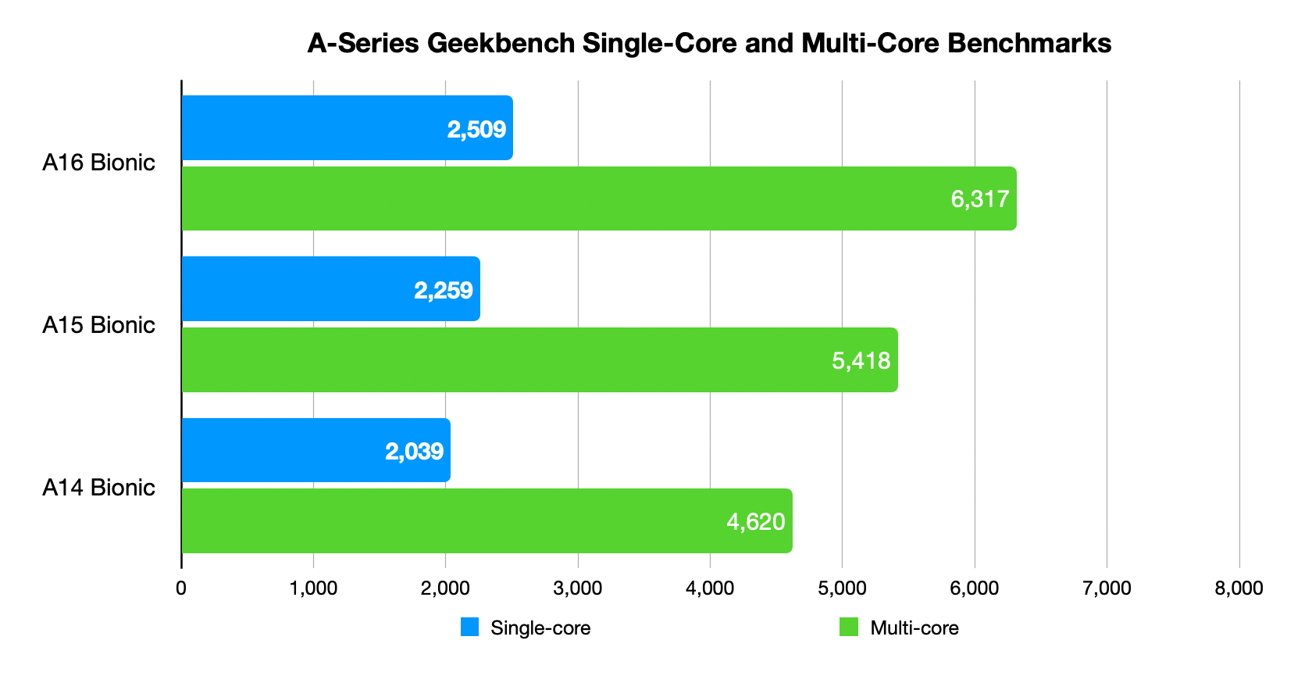
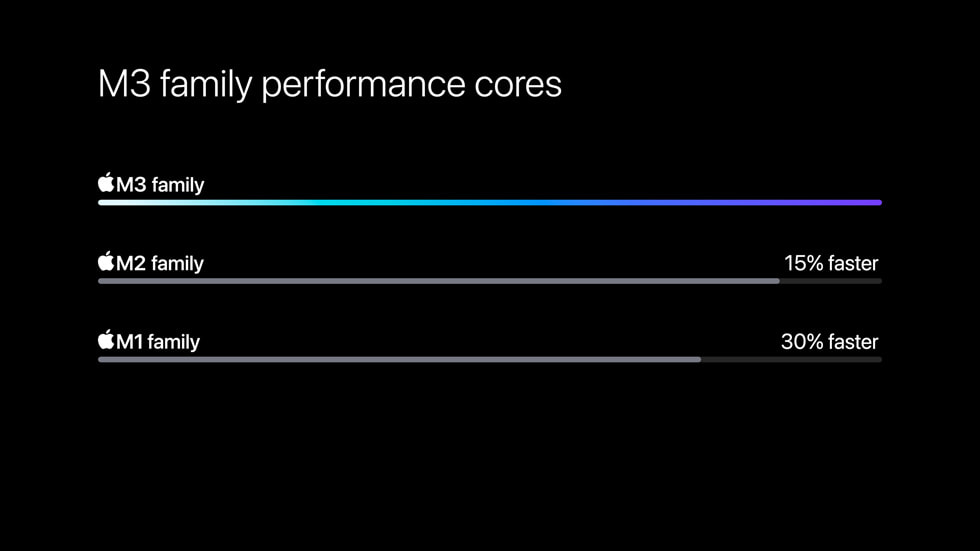
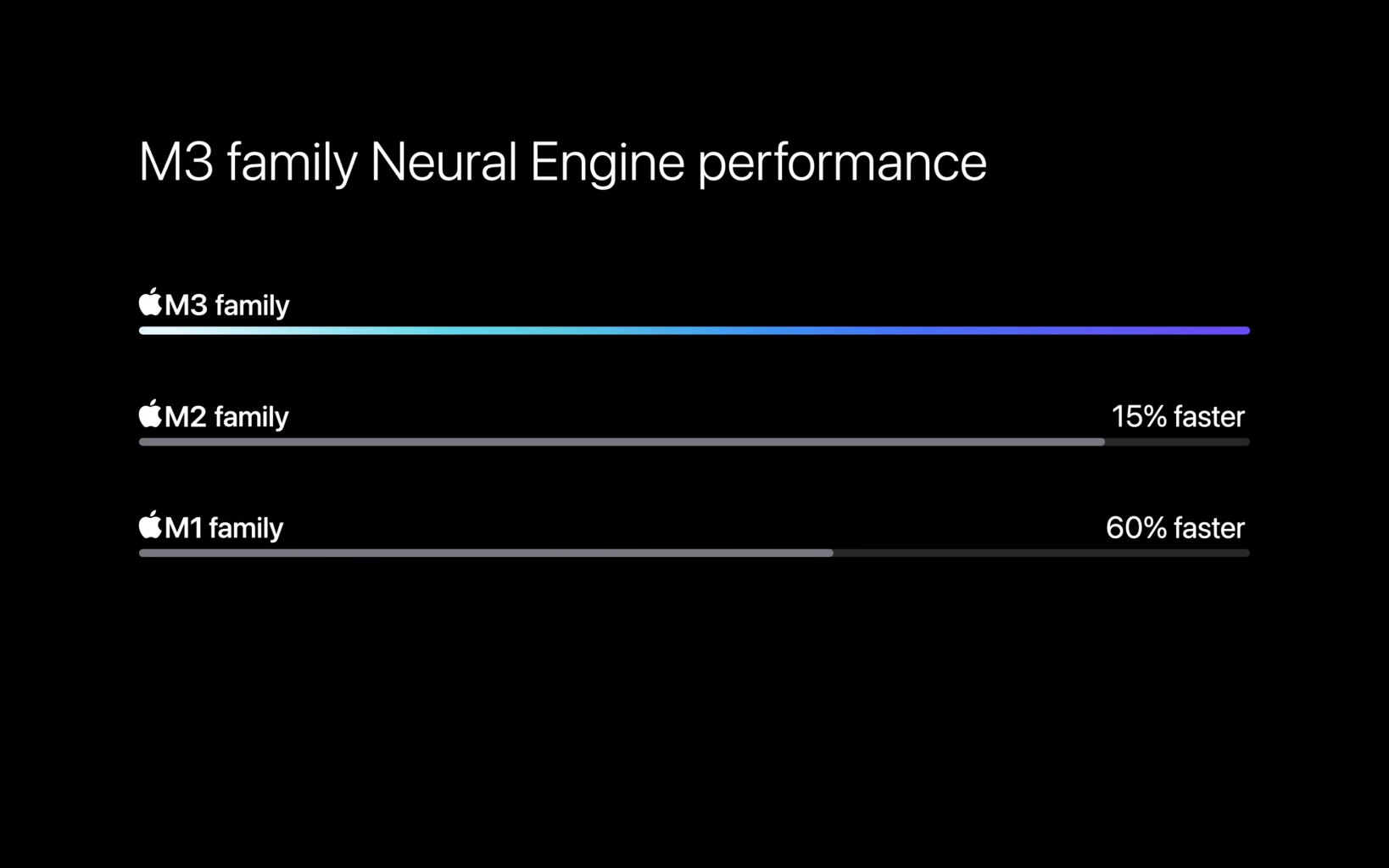
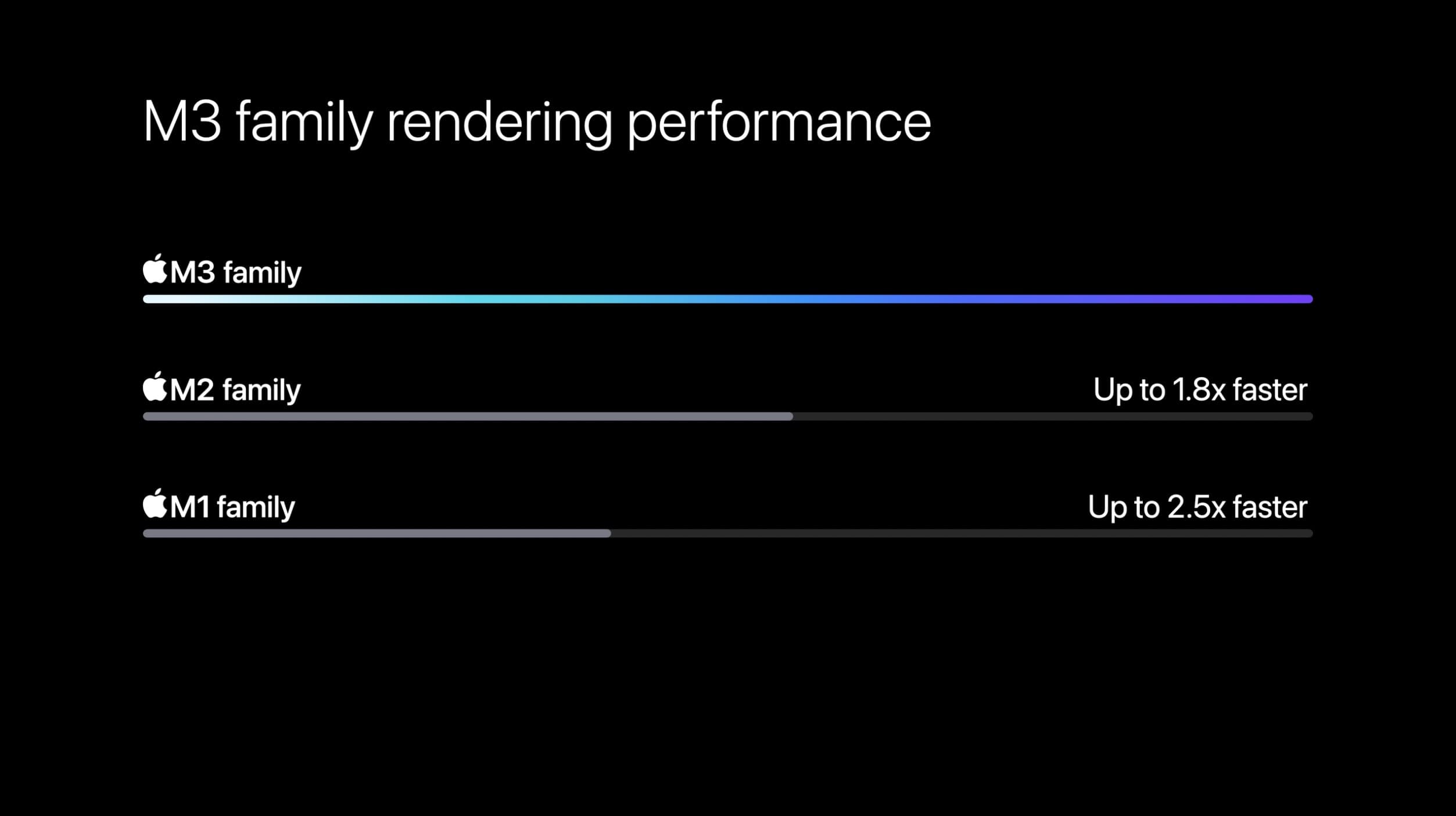
I don't really see phones being that much better year over year, similarly laptops. My friend had water resistance in his phone back in early 2013, it's nothing new. USB 3.0 was in Galaxy S5 in 2014. Tracking steps was in the Pokéwalker pedometer back in 2009 (for use with Pokémon HeartGold and SoulSilver).wjfox wrote: ↑Sun Oct 29, 2023 1:22 pm And in some ways, phones are much better now. Camera quality, data transfer speeds, memory, etc. all improved exponentially. Then there's the integration of biometrics, sensors for health tracking, etc. as well as improved batteries, wireless charging, durability, water resistance, and so on.

Re: The Singularity - Official Thread
Yeah, 6 years is a very, very long time in AI development.
To know is essentially the same as not knowing. The only thing that occurs is the rearrangement of atoms in your brain.
Re: The Singularity - Official Thread

To know is essentially the same as not knowing. The only thing that occurs is the rearrangement of atoms in your brain.
-
Tadasuke
Re: The Singularity - Official Thread
Changes I would consider as true improvements would be:
⩥ ending obesity everywhere once and for all
⩥ significantly reducing all kinds of illnesses people experience (healthcare instead of sickcare)
⩥ prolonging healthy lifespans of humans and their pets
⩥ bettering each person chances of achieving what they truly want
⩥ cheap accessible AI assistant that is very, very helpful in many ways and doesn't make mistakes
⩥ improving peoples outer appearance without make-up or photoshopping
⩥ making everyone own decent housing (I don't mean huge mansions)
⩥ everyone having access to healthy and tasty food and drinks
⩥ less war and conflict
⩥ significantly reducing pollution all over the world
⩥ making world web wide and virtual spaces less toxic with less fake news and myths
⩥ ending obesity everywhere once and for all
⩥ significantly reducing all kinds of illnesses people experience (healthcare instead of sickcare)
⩥ prolonging healthy lifespans of humans and their pets
⩥ bettering each person chances of achieving what they truly want
⩥ cheap accessible AI assistant that is very, very helpful in many ways and doesn't make mistakes
⩥ improving peoples outer appearance without make-up or photoshopping
⩥ making everyone own decent housing (I don't mean huge mansions)
⩥ everyone having access to healthy and tasty food and drinks
⩥ less war and conflict
⩥ significantly reducing pollution all over the world
⩥ making world web wide and virtual spaces less toxic with less fake news and myths
Re: The Singularity - Official Thread
I don't know if i am bit narrow minded, but it is hard for me to picture such exponential progress. You see, it is easy to see the numbers growing exponentially, in terms of numbers, in terms of processing power and so, but i can't see this translating into tangible changes in our daily life. What is he seeing ? You will ask a computer for "make a spaceship", give it robot arms and it will build it ? For you to innovate intelligence is not enough. You also need knowledge that you get by experimenting, and experiments take time and resources, that you cant increase exponentially.
You see, progress in microprocessors has been exponential for the past 50 years, but this don't mean all technological progress was exponential, of course the progress in microprocessors spinned off to other fields, but those other sectors didnt progress exponentially because of the spin offs.
Re: The Singularity - Official Thread
Interesting new study.
I don't agree with 2024 for AGI, but the general acceleration in AI should be obvious by now.
I don't agree with 2024 for AGI, but the general acceleration in AI should be obvious by now.

Re: The Singularity - Official Thread
the increase in processing power allow greater ability to simulate scenarios, to weed out non productive experimental paths. saving resources in the millions and time in the decades, for the result of far more rapid advancement of many fields of practical change in life, as well as allowing the freed time and resources to be directed toward other routes that have likewise been weeded to eliminate wasted time and resources.Karl Rock wrote: ↑Sat Dec 23, 2023 4:52 am
I don't know if i am bit narrow minded, but it is hard for me to picture such exponential progress. You see, it is easy to see the numbers growing exponentially, in terms of numbers, in terms of processing power and so, but i can't see this translating into tangible changes in our daily life. What is he seeing ? You will ask a computer for "make a spaceship", give it robot arms and it will build it ? For you to innovate intelligence is not enough. You also need knowledge that you get by experimenting, and experiments take time and resources, that you cant increase exponentially.
You see, progress in microprocessors has been exponential for the past 50 years, but this don't mean all technological progress was exponential, of course the progress in microprocessors spinned off to other fields, but those other sectors didnt progress exponentially because of the spin offs.
this means instead one advancement in a decade for 10 millions of dollars, you can develop 10 big advances in a year for 1 million dollars each.
the micro processors progress in the last 50 years did mean all the other sectors did too, they just weren't all picked up at the same point, and they are at different points on their own curves. 40 years ago computer processors couldn't offer much help to genetics past data sorting and maths aiding. now the advances of processing allow rapid simulation of certain genes over years and generations. likewise the genetic and electronics and mechanics are at different ages in their own curves, but their curve are now hitched to the information/communications curve, riding along with it as it's greater abilities with time install greater abilities to advance each of the others.
we live in a world where, rapid prototyping made possible by CAD and Slicing software development and materials and mechanical advances aided by computation lead to addative manufacturing reaching commercial viability and even enables engineering previously impossible things for better aerospace designs. It's changed consumer level things as well, both from the product maufacture end and the number of and access to technologies for small businesses and individuals to design and make things previously only possible through big industrial manufacturing.
You now has access to information that was something that people devoted lifetime careers to uncovering, now you can get in less than a second on a device in your pocket. For hundreds of thousands of topics that can benefit you ability to produce things of value to millions of peopl at a fraction of the price it cost previous generations.
That's now. What will the next ten years look like, as simulation, calculation data sorting and analysis can be done faster and cheaper by AI to eliminate the least valuble paths of exploration and even come up with new concept to try and test. Structural engineering, designs that increase eficiency and safety while decreasing cost and opening up whole sectors of design, production and development outside of the industrial and manufacturing spheres to smaller businesses and creators.
the whole thing changes when things like treatments for malaria are reduced to data, the drugs formula to data an production and distribution become data. Suddenly you have things like genetically engineered yeast secreting chemicals that when run through a mixilogical pharma grade desktop manufacturing facility in Guana and sounth africa and UAE facilities to produce drugs in quantities to eliminate malaria in the Sudan, shipped in drone drops to medical field operatives....
It changes the whole world. Saving millions of lives, allowiing those who would have previously died young to grow to adulthood and change the world farther with free internet access to free educational resources from around the world, collaborating with and aiding others like themselves in other places to change our fates.
Because in the end everything that humans have done in the history of human cultures is reducible to data and communication, and with the tools to work in those areas we can achieve amazing things... or horrific monsterous things.
Because the real limits on how far and how fast we go is what we allow ourselves and each other to do and our own cultural and socio-psycological progress.
-
Tadasuke
Re: The Singularity - Official Thread
I will know that Technological Singularity is near, when 2 years after you read or hear that some super awesome technology is going to be available, it is really going to be available, with no buts and it is really going to change our lives in a significant way. Otherwise, it isn't near.