
![[+]](https://www.futuretimeline.net/images/buttons/expand-symbol.gif)
|
|
|
|
|
|
2020-2030
Progress towards malaria elimination
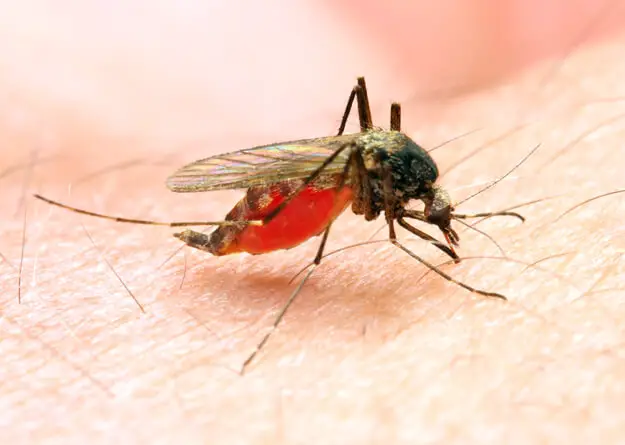
Malaria, a life-threatening disease caused by parasites transmitted to people through the bites of infected mosquitoes, was a major health problem in the 20th and early 21st centuries. In 2017, the World Health Organisation (WHO) reported 216 million cases resulting in 445,000 deaths. Most of these were concentrated in Africa, which had 92% of cases and 93% of deaths, with children under five being particularly vulnerable. The disease was also prevalent in Latin America and equatorial parts of Asia. Five countries accounted for nearly half of all malaria cases worldwide: Nigeria (25%), the Democratic Republic of the Congo (11%), Mozambique (5%), India (4%) and Uganda (4%).
In addition to its death toll, the economic impacts of malaria were considerable, reducing the annual Gross Domestic Product (GDP) of some countries by as much as 1.3%. In regions where the disease was most common, it represented up to 40% of public health spending and 60% of visits to health clinics, along with 50% of hospital admissions.
However, progress was being made towards the gradual elimination of malaria. Between 2000 and 2015, rates of the disease fell by 37%. Total funding for malaria control and elimination reached an estimated US$3.1 billion in 2017. New prevention and treatment programs were combining with better drugs and scientific advances, enabling highly ambitious goals to be realised.
The E-2020 initiative – established by the WHO and other partners – supported countries that were nearing or had arrived at the final stages of the malaria elimination process, as well as those working to prevent reintroduction of the disease. In 2018, Paraguay became the first E-2020 country to be officially declared by the WHO as malaria-free, with Algeria awarded the same status in 2019. China and El Salvador, meanwhile, reported zero indigenous malaria cases between 2017 and 2019. Other notable countries included Iran, Malaysia and Timor-Leste, with zero indigenous cases of malaria in 2018, and Cabo Verde with only two indigenous cases and zero deaths in 2018.
In total, the WHO identified 21 countries with the potential to achieve zero indigenous cases of malaria by 2020. This would mean a 40% reduction in malaria mortality rates globally, compared with 2015. Longer term, the E-2020 goals included a 75% reduction by 2025 and a 90% reduction by 2030.*
2020-2025
America-China tensions continue in the Asia-Pacific region
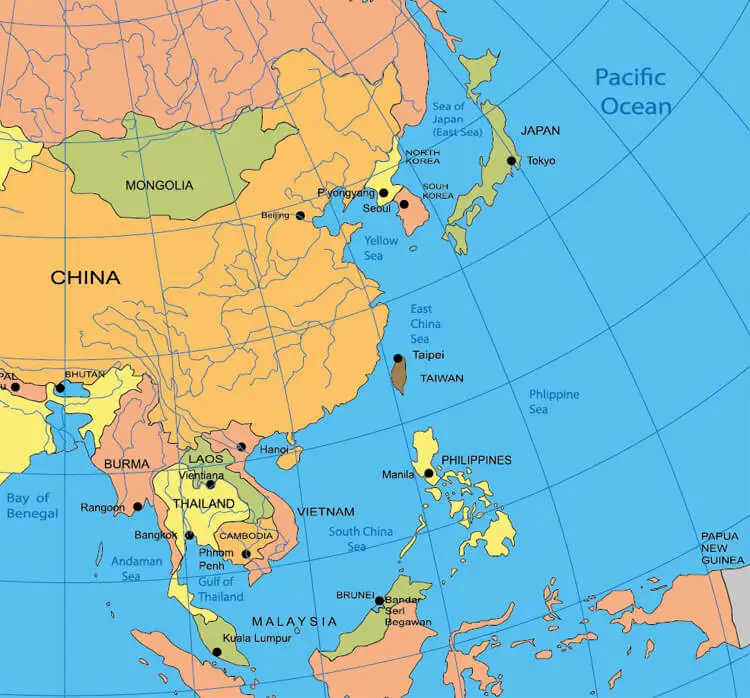
During the previous decade, in a "pivot to Asia", the United States began shifting a significant portion of its naval force to the Asia-Pacific – an effort to counter China's growing geopolitical influence. Countries in East Asia found themselves increasingly polarised under the tension of the two global powers, despite efforts to maintain stability in the region. Japan and the Philippines moved closer to America in the hope of stopping China's territorial claims of the Senkaku (Diaoyu), Spratly and other islands, while Cambodia, South Korea and other nations tried to remain neutral for the sake of economic interests.
America had been largely unchallenged in the Asia Pacific region since World War II. However, China's rapid growth in the late 20th and early 21st centuries – accompanied by the expansion and modernisation of its military – now clearly threatened its dominance.
While China lacked strength on a global scale, it could focus and project immense power along its coastlines and surrounding local seas. This included powerful radar, satellites, and missiles, in addition to many ships and planes. In the 2010s, China introduced both its first stealth fighter (Chengdu J-20) and its first fully domestically built aircraft carrier. In 2017, the Chinese Navy became the world's largest, with more warships and submarines than the United States, though the American fleet remained superior qualitatively. The overall military budget of China was the second largest – but if spending trends continued, appeared on track to reach parity with the United States by the 2030s.
The United States, whether directly or by proxy, would never allow itself to be usurped by a rival. Over the years, a series of actions were undertaken to contain and undermine both China and its interests. However, America's efforts prove to be largely futile, due to the sheer size of China, its rapid growth and the inevitability of its rise. During the first half of the 2020s, US-China relations become strained further, as the latter begins to rival the former as the leading superpower.
Gene therapy for deafness
As of 2015, hearing loss affected 1.1 billion people to some degree. It caused disability for up to 7.5% (540 million) and moderate to severe disability in 1.7% (about 124 million) of the world's population. Noise exposure was known to cause approximately half of all cases, while the remaining factors included aging, genetics, perinatal problems and disease infections.
During the first half of the 2020s, advances are made in developing a gene therapy, with some of the first clinical trials in humans. This follows earlier experiments on mice, in which a mutation of the TMC1 gene was repaired. Scientists treated the animals by injecting an engineered virus called adeno-associated virus 1, or AAV1, combined with a promoter – switching on the gene in sensory hair cells within the cochlea.*
Following successful human trials and approval from regulators, it becomes possible for patients affected by the TMC1 mutation to have their genomes sequenced and their hearing restored by gene therapy. However, while TMC1 was known to account for up to 8% of genetic deafness cases, more than 70 other genes were also implicated. It would therefore be a number of decades before the condition was fully understood and curable for all patients. Nevertheless, gene therapy sees major growth in research and development during the 2020s. Other treatment options besides gene therapy are also making breakthroughs at this time including stem cells and various new biotech implants.

Breast tomosynthesis is in widespread use
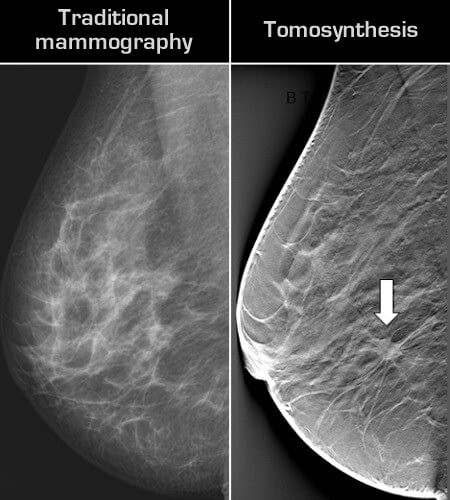
Breast tomosynthesis is a new 3-D scanning technology that detects 40 percent more breast cancers than traditional mammography, while also lowering the radiation dose. In 2015, researchers conducted the first large-scale study of this technique, to compare it with older screening methods. It was found to provide clearer and more accurate images, with X-rays from different angles showing multiple thin layers of breast, as opposed to single 2-D images. Furthermore, it was safer and more comfortable for women, with breast compression being halved.
As of 2015, breast cancer was the leading type of cancer in women, accounting for 25% of all cases globally. Survival rates had been increasing significantly in previous decades* and during the 2020s, tomosynthesis is among the newly emerging techniques helping to continue this trend. During the first half of the 2020s it becomes routinely available in many countries,* combined with AI/deep learning of image scans to further improve outcomes.
2020
Microsoft ends support for Windows 7
The computer operating system, Windows 7, went on general release in October 2009 as the successor to Windows Vista. In contrast to Vista, Windows 7 received praise from critics, who considered it a major improvement over its predecessor due to increased performance, a more intuitive interface (especially the new taskbar), fewer User Account Control popups, and other improvements made across the platform. Windows 7 became a major success for Microsoft with over 100 million copies sold worldwide in just six months, increasing to 630 million licenses by July 2012. Windows 7 overtook Windows XP in terms of popularity in October 2011 and reached a peak market share of 63% in November 2014.
However, the late 2010s marked the beginning of a downturn in Windows 7 sales as users began upgrading to the newer and more powerful Windows 10. Microsoft ended mainstream support for Windows 7 in 2015, but continued to offer extended support. By December 2019, the market share of Windows 7 had declined to 27%. Customer service and security updates for home users end on 14th January 2020, which puts many PCs around the world at risk of malware. However, extended support for Professional and Enterprise volume-licensed editions remains available until 10th January 2023. Windows 10 continues to gain in popularity for some time, with support lasting until 9th January 2029.
Credit: Claudio Divizia
Generation X is reshaping global politics
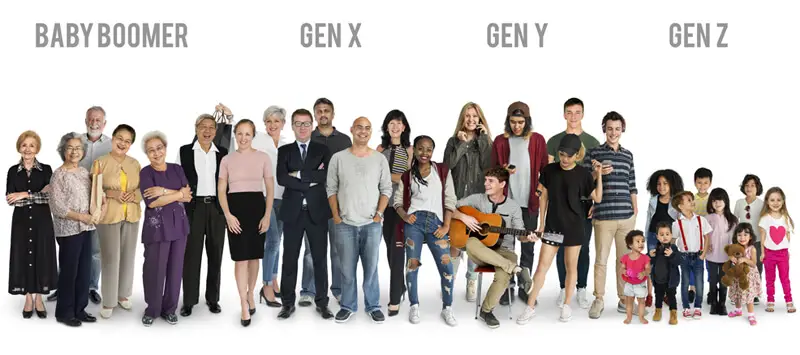
As the new decade begins, a fresh generation of leaders and decision-makers is emerging on the world stage. With most of the Silent Generation now passing away, and Baby Boomers waning in their influence, Generation X is coming into power.
Born between the late 1960s and early 1980s, Gen-Xers are more heterogeneous than previous groups: diverse in race, class, culture and ethnicity. They are more liberal and progressive than their parents,* with less respect for rules, authority and established policies. They are less likely to be religious. For most or all of their lives, they have grown up surrounded by computers – making them savvy and comfortable with technology, flexible and more open to new ideas. They have more concern for the environment, and are more accepting of science in general.
Angry at the social, political and economic legacy bequeathed to them, the Gen-Xers are beginning to use their newfound power to build a different kind of world. They are no longer willing to bow to the demands of the Baby Boomers, who many feel have robbed them of their future. They are also not willing to let the Millennials (Generation Y) get a free ride when it comes to paying their fair share.*
From 2020 onwards, there is a gradual shift of money and resources away from senior citizens and towards those in their middle years. Property and inheritance laws, pensions, retirement plans and a number of elderly benefits undergo significant changes, as Gen-Xers work to stem the gap between themselves and their parents. Employees gain more rights, freedoms and flexibility in the workplace, with offices becoming more casual and informal, alongside a further expansion of homeworking and the gig economy.
Thanks to the Gen-Xers, more and more countries are beginning to relax their laws on private recreational drug use, gay marriage, prostitution, euthanasia and so on. Legalisation and taxation of cannabis add significantly to government revenues whilst helping to cut crime. Scientific research and environmental protection are being given higher priorities. Some of these trends were emerging in any case, but are now being accelerated by the Gen-Xers.
Progress with longevity extension
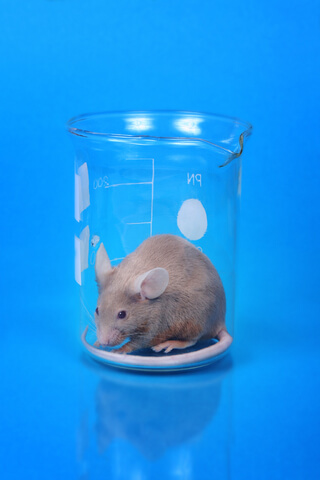
By 2020, laboratory experiments have yielded major improvements in the health and lifespan of mice.** Since rodents and humans share similar DNA, there is now hope of defeating the aging process. Though a permanent "cure" remains a distant prospect, a broad range of therapies are being developed to reduce the cell damage, mitochondrial mutations and other effects of growing older.*
First high-altitude test flight of the SpaceX Starship
As early as 2005, aerospace company SpaceX had used the codename, "BFR", for a conceptual heavy-lift vehicle, far larger than the Falcon family of vehicles and carrying a payload of 100 tons (220,000 lb). In 2018, after a number of design iterations, the concept was renamed "Starship", and the first stage booster was named Super Heavy.
The Starship spacecraft and Super Heavy rocket (collectively referred to as Starship) would represent a fully reusable transportation system, intended to carry both crew and cargo to Earth orbit – but also potentially more distant locations, such as the Moon and Mars. The rocket, featuring 37 raptor engines, would hold sub-cooled liquid methane and liquid oxygen (CH4/LOX) propellants, with six landing legs for returning to the launch site. Together, the Starship and Super Heavy design stood taller than any previous launch vehicle, their combined height of 118 m surpassing even the Saturn V (110 m) and dwarfing the Falcon Heavy (70 m) developed some years earlier by SpaceX.
For missions beyond Earth orbit, the Starship craft would be refilled with propellant in orbit, via a tanker vehicle. SpaceX founder and CEO, Elon Musk, stated that his long-term goal was to colonise Mars and deliver a million inhabitants to its surface within 50 years.
In late 2018, initial construction of two high-altitude prototype ships began, referred to as Mk1 and Mk2. Additionally, SpaceX conducted a static fire test of a smaller, height-reduced "Starhopper" prototype, which successfully ignited the engine while the vehicle remained tethered to the ground. A maiden flight test of the Starhopper in July 2019 attained a height of 18 m (59 ft). This was followed in August 2019 by a second untethered test flight that reached a vertical takeoff, vertical landing (VTVL) altitude of 150 m (490 ft).
However, a setback occurred in November 2019 when the full-size Mk1 blew its top off during a tank pressure test. SpaceX announced the retirement of the Mk1 and Mk2 prototypes after the incident and stated their intention to focus on Mk3 and Mk4 designs, which were closer to the flight specifications.
Musk planned to build and launch Starship systems from two locations: Cape Canaveral, Florida, and Boca Chica, Texas. During a presentation, he stated that both sites would enable many Starships to be built in the future, with potentially hundreds of launches per year, and that SpaceX was improving the design and manufacturing methods exponentially. Following the Starhopper and other test vehicles, a new tank dome was incorporated to avoid pressure failures in subsequent versions. A first high-altitude test flight of the Starship occurred on 9th December 2020, reaching 12.5 km (7.8 mi).**
Mercury pollution has been greatly reduced
Mercury – also known as quicksilver – is a heavy and silvery element, and the only metal to exist in a liquid state at room temperature. It is used primarily for the manufacture of industrial chemicals, electronic applications, thermometers and in gaseous form to create fluorescent lamps.
If inhaled or absorbed through the skin and mucous membranes, mercury and most of its compounds are extremely toxic. They have a range of devastating health impacts, including brain and neurological damage (especially among the young), birth deformities, kidney damage and digestive system problems. Victims can suffer memory loss and language impairment alongside many other well-documented effects.
In the early 21st century, the largest emissions of mercury came from gold mining. Combustion of fossil fuels – mainly coal in utility, industrial and residential boilers – represented the next biggest source. An estimated 1,960 tons were being produced each year, with China by far the greatest contributor at nearly one-third of the global total. Improper disposal of certain products like batteries, automobile parts and fluorescent bulbs also led to mercury entering the environment. About 30% of the total amount of mercury entering Earth's atmosphere each year came from anthropogenic (man-made) sources.
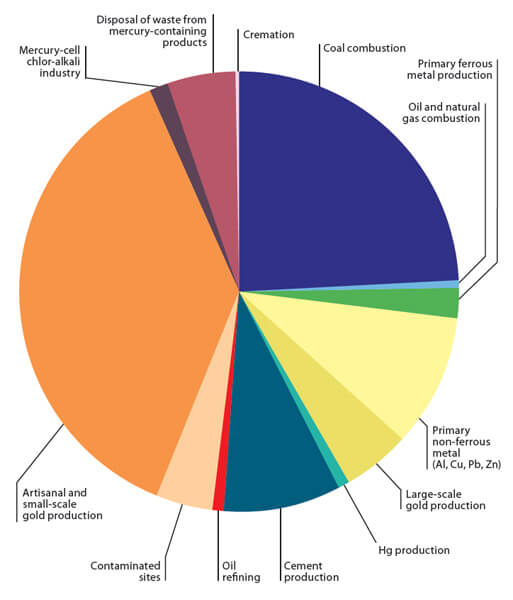
Mercury emissions from man-made sources in 2010. Source: UNEP
Though primarily an issue in developing countries, mercury was recognised as a global problem. In the space of just 100 years, man-made emissions doubled the concentration in the top 100 metres of the planet's oceans.* Food chains were disrupted, with fish and shellfish absorbing small amounts of mercury,* posing a health issue the world over. This was a particular concern for pregnant women and those with young children.
In 2013, the United Nations Environment Program (UNEP) established a global, legally binding treaty to prevent emissions and releases of mercury.* Governments agreed on a wide range of mercury-containing products whose production, export and import would be banned by 2020. Detailed plans were enacted to cut levels of mercury used in mining operations, coal-fired power stations, industrial boilers, smelters, waste incineration and cement clinker facilities. Public awareness campaigns, medical programs and support for mercury-free alternatives were also developed. Though not yet completely eliminated, this has led to a major reduction in mercury pollution and its gradual phasing out by many countries.*
The PlayStation 5 is launched
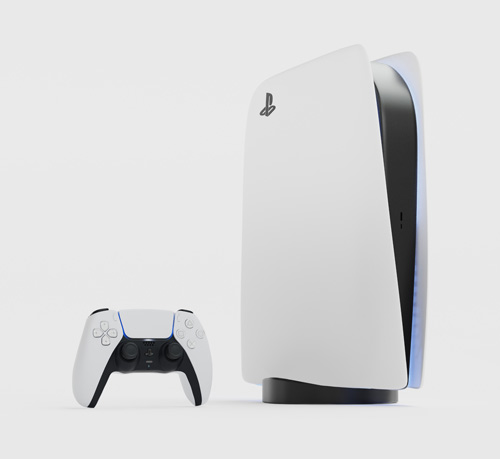
The PlayStation 5 (PS5) is a ninth-generation video game console developed by Sony. As the successor to the PS4, it is among the company's flagship consumer electronics products.
The PS5 uses an 8-core, 16-thread CPU based on AMD's Zen 2 microarchitecture, manufactured on the 7 nanometre (nm) process node. The graphics processor is a custom variant of AMD's Navi family using the RDNA microarchitecture, which includes support for ray-tracing* – a relatively new rendering technique that creates extremely lifelike reflections, lighting, shadows and other effects. It comes with a solid state drive (SSD), enabling faster load times and larger bandwidth to handle massive resolutions of up to 8K Ultra HD.* An integrated Blu-ray drive supports 100GB Blu-ray discs and Ultra HD Blu-ray.
The system's new controller features "adaptive triggers" that can change the resistance to a player as necessary, such as changing the resistance during the action of pulling an arrow back in a bow in-game. It also has strong haptic feedback through voice coil actuators, which alongside an improved controller speaker is intended to give better in-game feedback. USB-C connectivity, together with a higher rated battery are other improvements, while the console itself consumes less energy than the PS4. Backwards compatibility is provided for PS4 and PlayStation VR games. The PS5 is released in late 2020.*
Credit: ALDECA studio
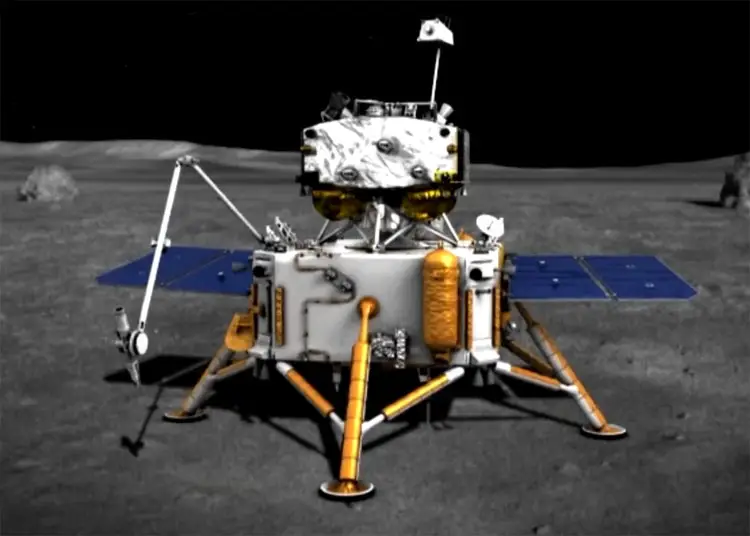
Chang'e 5 lunar exploration mission
Chang'e 5 is a Chinese lunar exploration mission consisting of a lander and a sample-return system, the first such effort since Russia's Luna 24 in 1976. It follows the earlier Chang'e 4 probe, which performed the first soft landing on the far side of the Moon in January 2019.
The Chinese Lunar Exploration Program was designed to be conducted in three phases of incremental technological advancement: the first was simply reaching the Moon's orbit, a task completed by Chang'e 1 in 2007 and Chang'e 2 in 2010. The second was landing and roving on the Moon, as Chang'e 3 did in 2013 and Chang'e 4 in 2019. The third phase is collecting lunar samples from the near side and sending them back to Earth, a task for Chang'e 5 and Chang'e 6.
The landing zone for Chang'e 5 is Mons Rümker in Oceanus Procellarum, located in the northwest region of the near side of the Moon. This region consists of a large, elevated volcanic mound 70 km (43 miles) in diameter that features a strong spectroscopic signature of basaltic lunar mare material.
The mission includes four modules or elements: a lander collects about 2 kg (4.4 lb) of samples from two metres (6.6 ft) below the surface and places them in an attached ascent vehicle that is launched into lunar orbit. The ascent vehicle makes an automatic rendezvous and docking with an orbiter, which transfers the material into a sample-return capsule for delivery back to Earth.
The lander is equipped with cameras, including a panoramic camera, a spectrometer to determine mineral composition, a soil gas analytical instrument, a soil composition analytical instrument, a sampling sectional thermo-detector, and a ground-penetrating radar. For acquiring samples, it uses a robotic arm, rotary-percussive drill, scoop for sampling, and separation tubes to isolate individual samples.
Chang'e 5 is launched in December 2020.* Its successor, Chang'e 6, follows in 2024 and returns samples from the lunar south pole. Chang'e 7 performs a detailed survey of the south polar region, while Chang'e 8 is designed to test technologies necessary for the construction of a lunar science base.
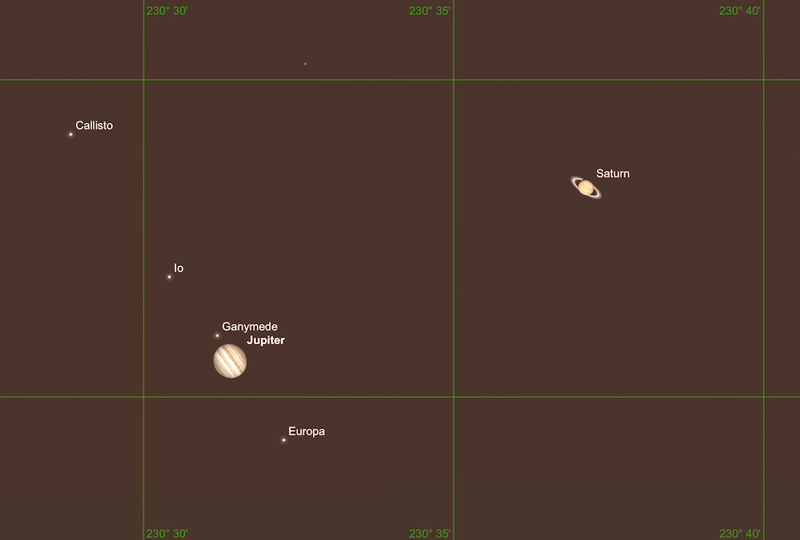
Great conjunction
In astronomy, a conjunction occurs when two sky objects have the same right ascension or the same ecliptic longitude, as seen from Earth. The two or more objects are not actually close to one another in space; the apparent phenomenon is merely caused by the observer's perspective.
A so-called "great" conjunction involves Jupiter and Saturn, the Solar System's two largest planets. Jupiter orbits the Sun at five astronomical units (AU), with its "year" lasting 12 Earth years. Saturn is nearly twice as far from the Sun as Jupiter, at 9.5 AU, and therefore a Saturn "year" is 29.5 Earth years.
This means that Jupiter "catches up" with Saturn every 20 years, producing a rare planetary alignment. A great conjunction took place on 31st May 2000; the next one occurs on 21st December 2020.
Credit: SkySafari
Internet use reaches 5 billion worldwide
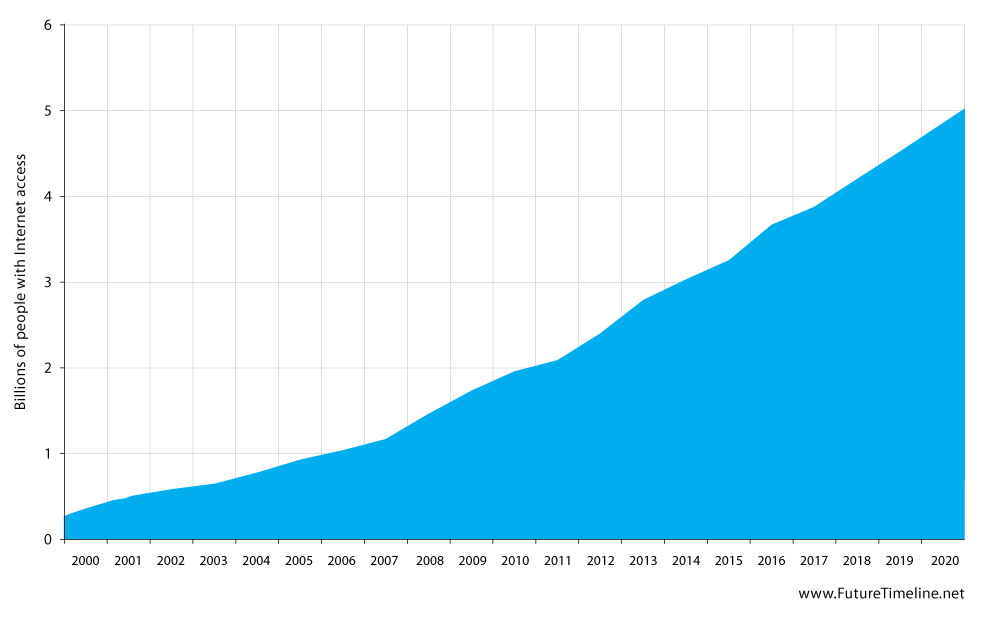
At the start of the 21st century, the number of web users worldwide stood at roughly 300 million, or about 5% of the global population. Connections were slow and tended to have speeds of only 56 kbit/s. Mobile access to the Internet was largely non-existent, with only a handful of companies offering this service for portable devices.
However, thanks to a combination of plummeting costs and exponential technology improvements, Internet access grew rapidly in subsequent years and had reached over a billion people by December 2005. This trend continued into the 2010s. In September 2014, a significant landmark was reached as the global average connection speed reportedly hit 4.6 Mbit/s – exceeding the minimum 4 Mbit/s threshold to meet the "broadband" criteria.*
By the late 2010s, more than half of the world's population were Internet users, with four billion people having access. Most of the recent growth had come from China, India and other emerging economies.
Web-connected mobile devices were now ubiquitous, while data transfer speeds continued to increase. From 2019 onwards the next cellular wireless standard, known as 5G, offered gigabit speeds and many other features.
More than five billion people – a nearly 20-fold increase compared to January 2000* – are Internet users by the end of 2020.
« 2019 |
⇡ Back to top ⇡ |
2021 » |
If you enjoy our content, please consider sharing it:
References
1 The E-2020 initiative of 21 malaria-eliminating countries: 2019 progress report, WHO:
https://www.who.int/malaria/publications/atoz/e-2020-progress-report-2019/en/
Accessed 5th January 2020.
2 "Clinical trials of gene therapy for humans could be started within 5 to 10 years."
Gene therapy restores hearing in deaf mice, KurzweilAI:
http://www.kurzweilai.net/gene-therapy-restores-hearing-in-deaf-mice
Accessed: 3rd April 2016.
3 When will cancer be cured?, Future Timeline Blog:
https://www.futuretimeline.net/blog/2013/04/1.htm
Accessed: 31st March 2016.
4 3-D technology detects 40 percent more breast cancers than mammography, Future Timeline Blog:
https://www.futuretimeline.net/blog/2015/05/10.htm
Accessed: 31st March 2016.
5 10 page report:
The Generation Gap and the 2012 Election, Pew Research Center:
http://www.people-press.org/2011/11/03/the-generation-gap-and-the-2012-election-3/?src=prc-headline
Accessed: 20th November 2011.
6 The Looming Gen X Global Revolution of 2020, The Huffington Post:
http://www.huffingtonpost.com/mark-goulston-md/the-gen-x-global-revoluti_b_939658.html
Accessed 19th November 2011.
7 Aubrey de Grey's Prediction for 2020, YouTube:
http://www.youtube.com/watch?v=C4uJ7rq1qX8
Accessed 25th March 2012.
8 A potentially major breakthrough in anti-aging medicine, Future Timeline Blog:
https://www.futuretimeline.net/blog/2020/05/18-longevity-breakthrough-2020.htm
Accessed 1st January 2021.
9 The Rejuvenation Roadmap, Lifespan.io:
https://www.lifespan.io/road-maps/the-rejuvenation-roadmap/
Accessed 5th January 2020.
10 Starship development history, Wikipedia:
https://en.wikipedia.org/wiki/Starship_development_history
Accessed 31st December 2020.
11 Starship, SpaceX:
https://www.spacex.com/vehicles/starship/index.html
Accessed 31st December 2020.
12 Mercury treaty adopted in Geneva by 140 countries, Dawn.com:
http://dawn.com/2013/01/19/mercury-treaty-adopted-in-geneva-by-140-countries/
Accessed 19th January 2013.
13 Mercury in fish, Wikipedia:
http://en.wikipedia.org/wiki/Mercury_in_fish
Accessed 19th January 2013.
14 Minamata Convention on Mercury, Wikipedia:
https://en.wikipedia.org/wiki/Minamata_Convention_on_Mercury
Accessed 5th January 2020.
15 "Governments have agreed on a range of mercury containing products whose production, export and import will be banned by 2020. Certain kinds of non-electronic medical devices such as thermometers and blood pressure devices are also included for phase-out by 2020."
See Minamata Convention Agreed by Nations, UNEP:
https://www.unenvironment.org/news-and-stories/press-release/minamata-convention-agreed-nations
Accessed 5th January 2020.
16 PS5 will support 8K graphics and ray tracing, Future Timeline Blog:
https://www.futuretimeline.net/blog/2019/04/19.htm
Accessed 6th January 2020.
17 Exclusive: What to Expect From Sony's Next-Gen PlayStation, Wired:
https://www.wired.com/story/exclusive-sony-next-gen-console/
Accessed 6th January 2020.
18 PS5 release date, specs, news and rumors for Sony's PlayStation 5, Tech Radar:
https://www.techradar.com/uk/news/gaming/consoles/ps5-release-date-news-and-features-1213409
Accessed 6th January 2020.
19 Moon, Mars and beyond: Space exploration highlights coming up in 2020, New Atlas:
https://newatlas.com/space/space-exploration-launches-2020/
Accessed 26th January 2020.
20 See 2014.
21 Internet growth statistics, Internet World Stats:
https://www.internetworldstats.com/emarketing.htm
Accessed 5th January 2020.
 |
|||||||||||||||||||||||||||||||
|
Latest predictions |
Timeline » 21st century |
Blogs » AI & Robotics |
Features » |
About us
|
|||||||||||||||||||||||||||
|
|
|||||||||||||||||||||||||||||||


